The Science
The science is real. We just made it accessible.
Cycle aligned nutrition is not a wellness trend. It is a body of peer reviewed research on how hormones change nutritional needs across the month, and what food can do about it. Here is what the evidence actually says.
The four phases
One cycle, four hormonal environments. Each asks something different of your plate.
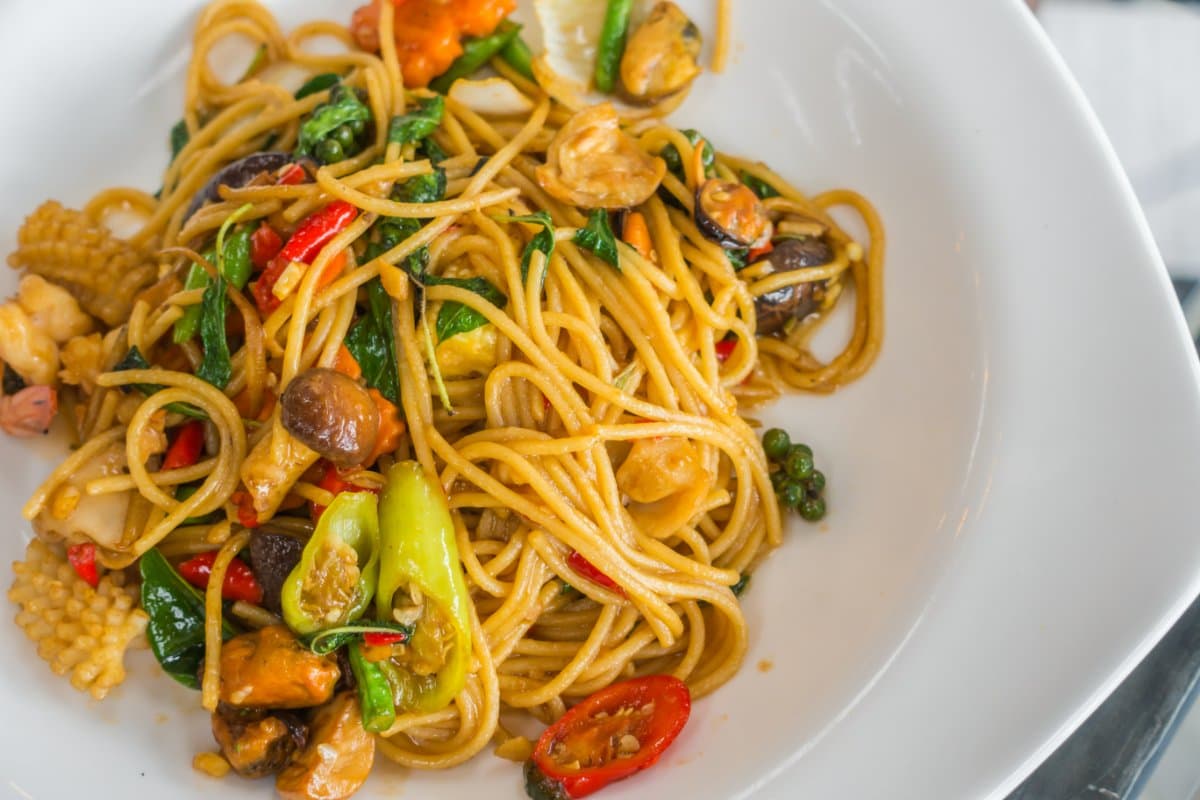
Replenish and rest
Oestrogen and progesterone are at their lowest, and blood loss draws down iron stores. The research supports iron rich foods paired with vitamin C for absorption, and omega 3 fats, which randomised trials link to measurably less menstrual pain.
Think: leafy greens, beans, fish, citrus, ginger tea.
Build and energise
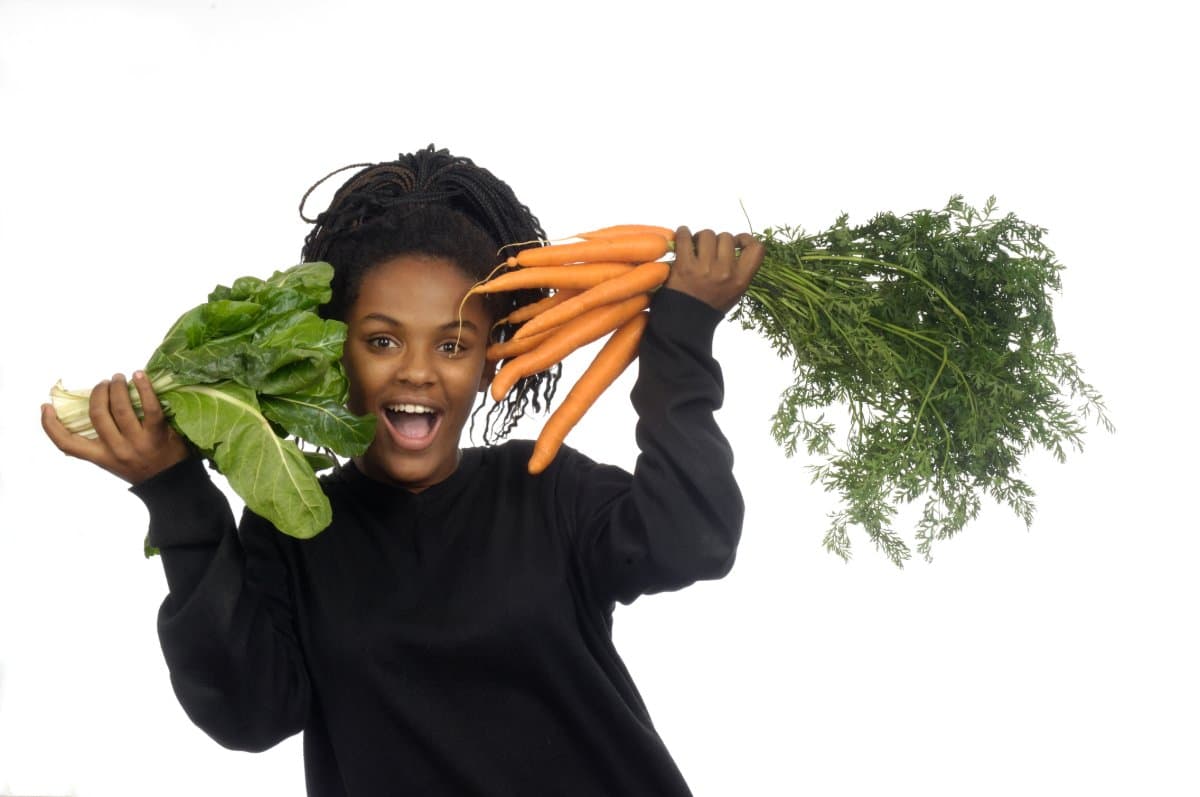
Oestrogen climbs and energy returns. Your body is building the uterine lining and preparing to ovulate. Studies point to fermented foods for gut health, and cruciferous vegetables whose compounds support healthy oestrogen metabolism.
Think: vegetables in variety, eggs, fermented grains, seeds.
Peak and protect
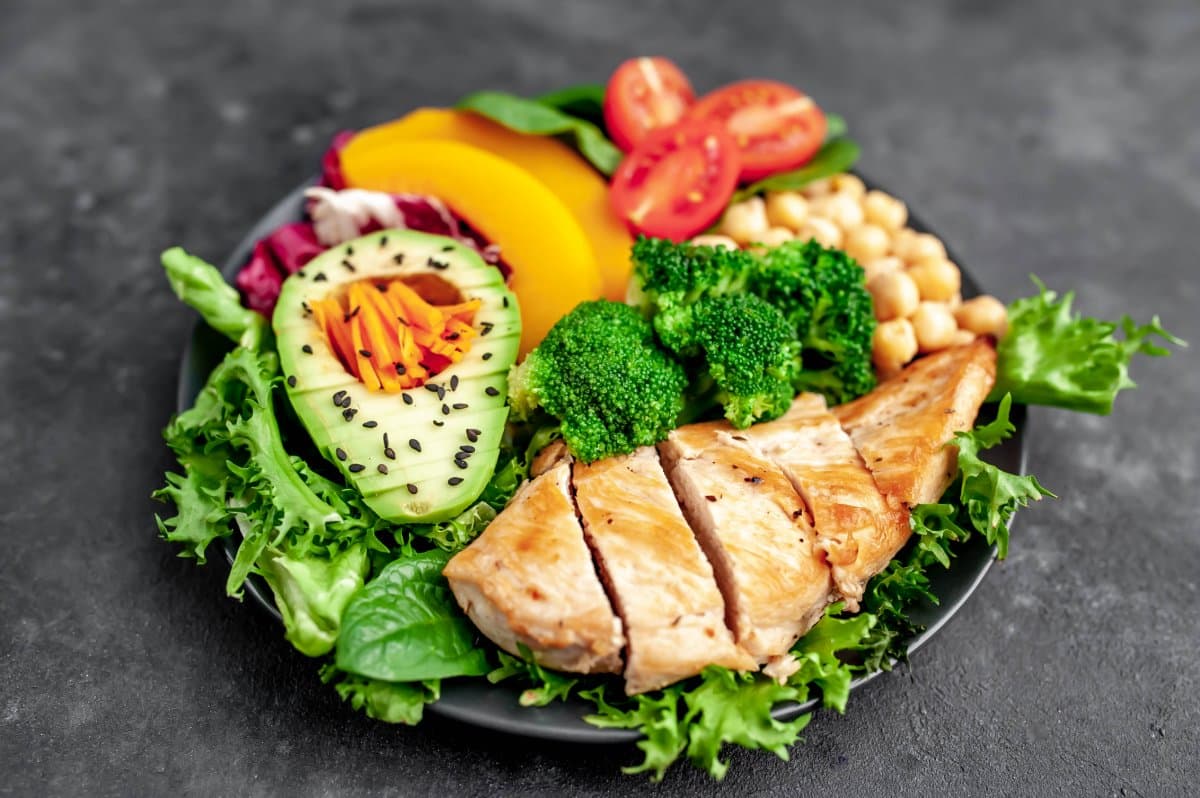
Oestrogen peaks and inflammation sensitivity rises with it. The evidence favours antioxidant rich foods and fibre, which supports the gut's clearance of the oestrogen surge once it has done its work.
Think: berries, peppers, whole grains, plenty of water.
Nourish and calm
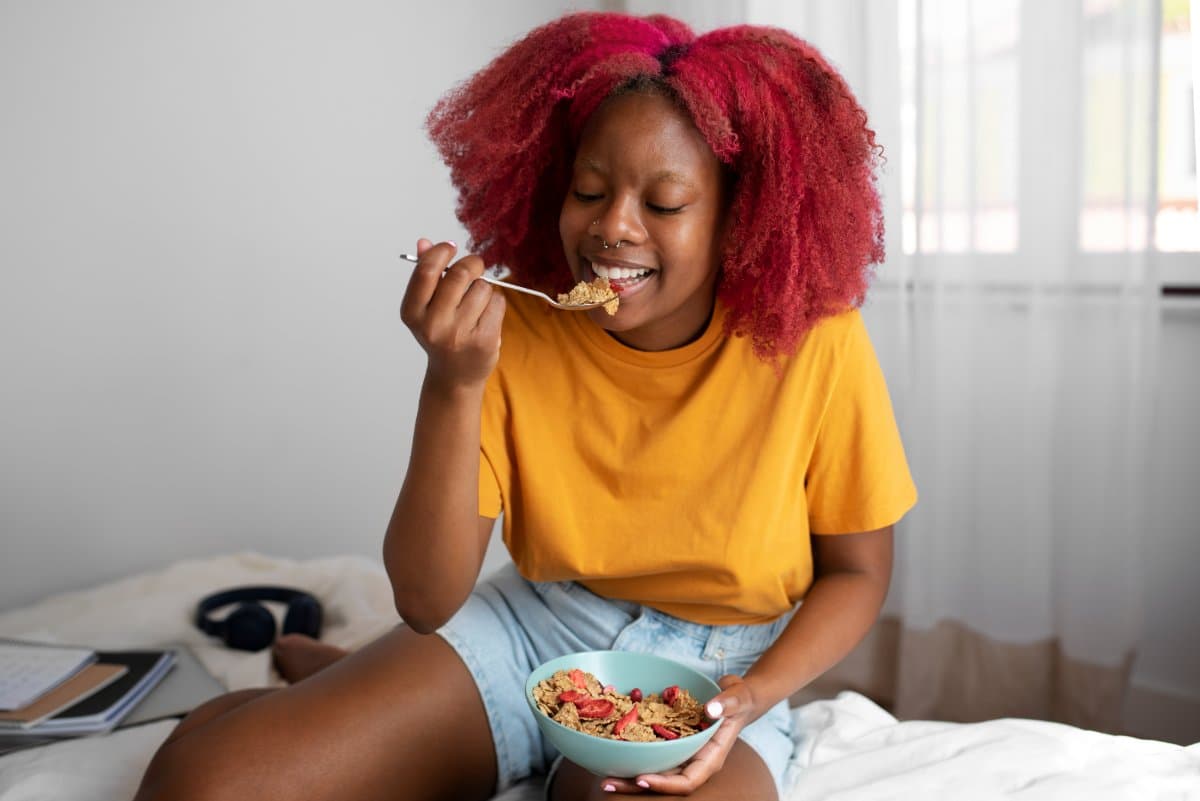
Progesterone rises, insulin sensitivity dips, and cravings follow. Clinical studies link magnesium and vitamin B6 to steadier mood and fewer premenstrual symptoms, and complex carbohydrates keep blood sugar level when it matters most.
Think: dark chocolate, bananas, sweet potato, nuts, whole grains.
PCOS, cramps, and endometriosis
Three conditions, three bodies of evidence that food makes a difference.
PCOS
PCOS affects an estimated 10 to 13% of women globally, and up to 70% of those affected are never formally diagnosed. Insulin resistance is central to the condition, which is exactly why food matters: low-glycaemic diets have been shown in controlled studies to improve insulin sensitivity and menstrual regularity in women with PCOS, independent of weight change.
Menstrual regularity improved over 12 months
Marsh et al., American Journal of Clinical Nutrition, 2010.
Dysmenorrhoea
Around 71% of women experience period pain, a figure pooled across 70 countries. In randomised trials, omega-3 supplementation reduced pain intensity enough that participants needed significantly less ibuprofen, and a meta-analysis of 12 trials found a large overall effect. Magnesium shows similar promise for cramping and associated low mood.
Endometriosis
190 million women live with endometriosis, waiting seven to nine years on average for a diagnosis. It is an inflammatory condition, and dietary patterns rich in omega-3 fats, fibre, and antioxidants are associated in the literature with lower inflammatory load and reduced symptom burden. Food is not a cure. It is a lever that is available every single day.
Why local foods matter
The science works everywhere. The shopping list should adapt.
A recommendation is only useful if you can act on it. The same nutrients that make an expensive superfood work are found in ordinary, affordable ingredients almost everywhere. What matters is the omega-3, the iron, the fibre, the magnesium, not the brand on the label. CyclePlate translates the evidence into the foods already around you.

A note on what we are, and what we are not
CyclePlate is a wellness tool grounded in published research. It is not medical advice, diagnosis, or treatment, and it will never pretend to be. If something feels wrong, see a clinician. For everything in between, we are here to help you eat well for the body you have today.